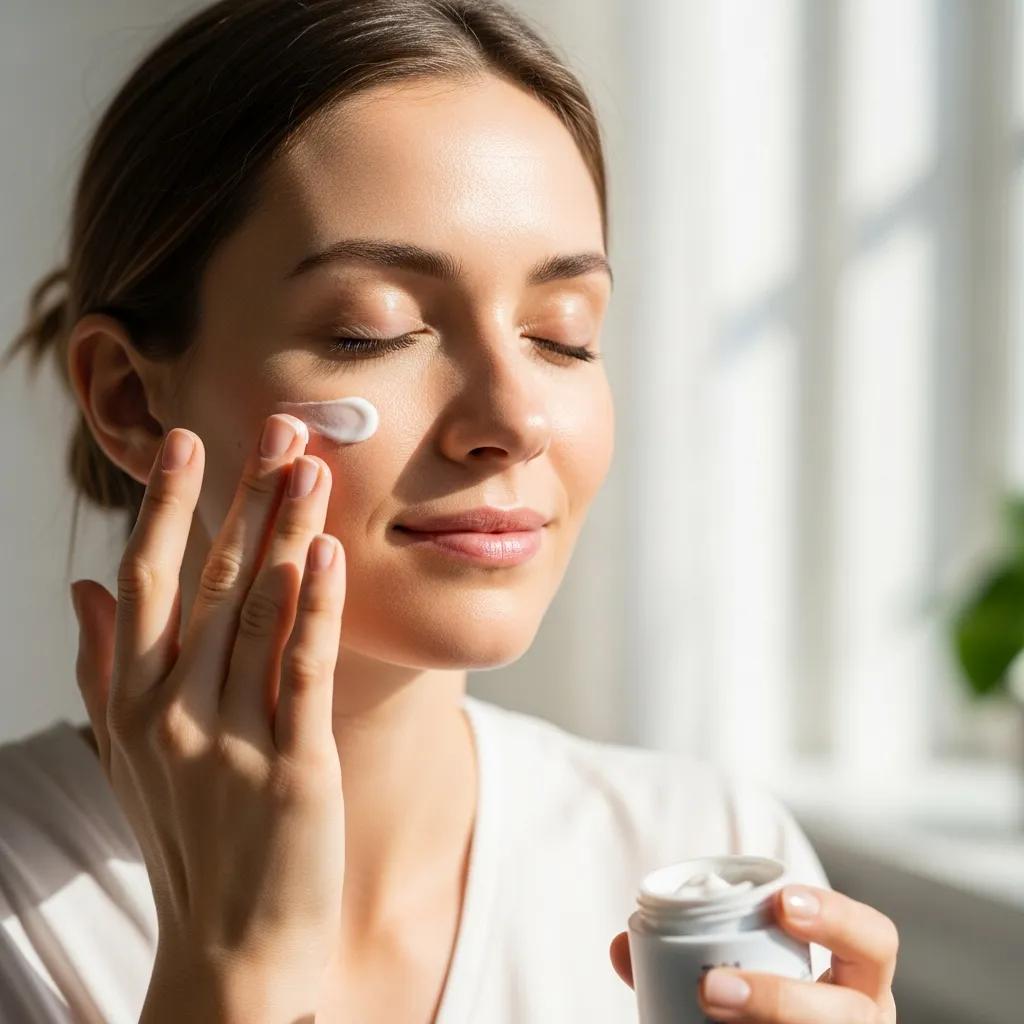

After receiving dermal fillers, proper aftercare is crucial for achieving the best results and ensuring a smooth recovery. Understanding the immediate steps and ongoing care can significantly enhance the effectiveness of the treatment. This article will provide comprehensive tips on dermal filler aftercare, focusing on managing swelling, bruising, and overall skin health. By following these guidelines, you can minimize discomfort and maximize the benefits of your treatment. We will cover essential immediate care instructions, activities to avoid, and methods to support skin healing, along with insights into complementary treatments that can enhance your results.
What Immediate Steps Should You Take After Dermal Filler Injections?
Following dermal filler injections, it is essential to take specific immediate steps to ensure optimal recovery. Here are some key actions to consider: facials
- Use Gentle Skincare Products: Opt for mild, non-irritating products to avoid aggravating the treated area.
- Avoid Sun Exposure: Protect your skin from direct sunlight to prevent inflammation and discoloration.
- Refrain from Makeup for 24-48 Hours: Allow your skin to breathe and heal without the interference of cosmetics.
These steps are vital in promoting a smooth recovery and enhancing the overall results of your dermal filler treatment.
How to Manage Swelling and Bruising Right After Treatment
Swelling and bruising are common after dermal filler injections, but there are effective ways to manage these symptoms.
To reduce swelling, it is important to:
- Moisturize Your Skin: Keeping the skin hydrated can help in the healing process.
- Avoid Strenuous Exercise: Physical activity can exacerbate swelling, so it’s best to rest for a few days.
- Be Patient: Allow your body time to heal naturally; swelling typically subsides within a week.
Implementing these strategies can significantly improve your comfort and recovery experience.
What Role Does Ice Therapy Play in Post-Filler Swelling Reduction?
Ice therapy can be an effective method for reducing swelling after dermal filler injections. Applying ice packs to the treated area can help numb the skin and minimize inflammation. However, it is crucial to apply ice carefully to avoid frostbite. Use a cloth to wrap the ice pack and limit application to 10-15 minutes at a time. This method can provide immediate relief and support the healing process.
Research further elaborates on the benefits and considerations of using cooling techniques to manage post-filler discomfort and swelling.
Cooling Techniques for Dermal Filler Discomfort, Swelling & Bruising
Consensus guidelines developed for the use of hyaluronic acid dermal fillers describe the use of cooling the skin to reduce patient discomfort during injection. The vasoconstrictive effects of cold may provide reduced ecchymosis and swelling at the site. However, the effect of applying ice or cooled air is unpredictable because these modalities do not deliver precise temperature, which may result in cold burn or insufficient effect to targeted areas.
The use of a contact cooling device to reduce pain and ecchymosis associated with dermal filler injections, 2010
How Can You Effectively Reduce Swelling and Support Skin Healing After Fillers?
To further support skin healing and reduce swelling, consider the following strategies: what are exosomes
- Keep Your Skin Hydrated: Drink plenty of water and use hydrating skincare products to maintain skin elasticity.
- Apply Sunscreen Daily: Protecting your skin from UV rays is essential for preventing further irritation and promoting healing.
- Stay Hydrated by Drinking Water: Adequate hydration helps your body recover and can improve the overall appearance of your skin.
These practices not only aid in recovery but also enhance the longevity of your dermal fillers.
How Does Hydration Enhance Filler Recovery and Skin Health?
Hydration plays a critical role in the recovery process after receiving dermal fillers. When your skin is well-hydrated, it appears plumper and more youthful. Hydration helps to minimize fine lines and supports the skin barrier function, which is essential for overall skin health. Drinking sufficient water and using hydrating products can significantly improve the results of your treatment.
How Do HydraFacial and Microneedling Support Post-Filler Skin Health?
HydraFacial and microneedling are excellent options for supporting skin health after dermal fillers. HydraFacial provides deep cleansing and hydration, which can help maintain the plumpness achieved with fillers. Microneedling, on the other hand, stimulates collagen production, improving skin texture and firmness. Both treatments can be safely integrated into your skincare routine following filler injections, offering synergistic benefits.
When Is It Appropriate to Consider Skin Tightening Procedures After Fillers?
Skin tightening procedures can be considered after the effects of dermal fillers have settled, typically around 2-4 weeks post-treatment. Consulting with a professional is essential to evaluate your skin condition and determine the best timing for these procedures. It is crucial to ensure that the filler has fully integrated into the skin before pursuing additional treatments.
Further research highlights the growing demand for non-surgical skin tightening techniques as alternatives to traditional surgical interventions, offering reduced risks and downtime.
Non-Surgical Skin Tightening: Fillers & Reduced Recovery
The skin laxity component of facial aging has been traditionally addressed with surgical intervention. However, demand for alternative treatment options with less associated risk, scarring, downtime, and cost have driven advances in non-surgical tightening techniques. This article explores the recent advances in these non-surgical technologies for skin tightening including microcoring, hydroxyapatite fillers, and energy-based devices (lasers, ultrasound, radiofrequency, and plasma).
New technologies in skin tightening, 2021
When Should You Seek Medical Advice or Professional Support During Filler Recovery?
Monitoring your recovery is vital, and there are specific signs that may indicate the need for professional support. Seek medical advice if you experience:
- Persistent Redness or Swelling: If these symptoms do not subside after two weeks, consult a professional.
- Severe Pain Not Manageable: Unmanageable pain may indicate complications that require attention.
- Signs of Infection: Look for symptoms such as fever, increased warmth, or discharge from the injection site.
Addressing these issues promptly can help prevent further complications and ensure a smooth recovery.
What Are Signs of Complications Requiring Immediate Attention?
While complications are rare, it is essential to be aware of potential signs that require immediate medical attention. These include:
- Lumps or Irregularities: Any noticeable lumps or unevenness in the treated area should be evaluated.
- Allergic Reactions: Symptoms such as hives, difficulty breathing, or swelling beyond the injection site may indicate an allergic reaction.
- Unusual Changes in Treated Area: Any significant changes in color or texture should be assessed by a professional.
Understanding the full spectrum of potential complications, both immediate and delayed, is crucial for effective management and optimal patient outcomes.
Managing Dermal Filler Complications: Bruising, Edema & Infections
Complications can be early or delayed in presentation, early consisting of injection site complications like bruising, edema, and hypersensitivity, Tyndall effect, and intravascular injection. Delayed complications included hypersensitivity type IV, acute infections like cellulitis, abscesses, and herpes and delayed ones like granulomas, biofilms, and atypical mycobacterial infections. These were analyzed and treatment options, protocols, and consensus guidelines were suggested. A clear understanding of facial anatomy, physical characteristics of all fillers used, early recognition, and treatment options of complications will ensure optimum outcomes.
Nonvascular complications of injectable fillers—prevention and management, K Singh, 2020
Recognizing these signs early can help ensure a safe and effective recovery process.
How Can Expert Guidance Improve Your Dermal Filler Aftercare Experience?
Expert guidance can significantly enhance your dermal filler aftercare experience. Professionals can provide tailored aftercare plans that address your specific needs and concerns. Access to professional advice ensures that you are following the best practices for recovery, which can lead to improved outcomes. Additionally, having a knowledgeable resource to consult can alleviate any concerns you may have during the recovery process.
To enhance your skin’s texture and elasticity, consider exploring microneedling. This procedure stimulates collagen production, further improving your skin’s appearance.
Additionally, chemical peels can help remove dead skin cells, promoting a smoother complexion and enhancing the overall results of your dermal filler injections.