Understanding Injectable Treatments: Botox and Dysport
Injectable treatments, specifically Botox and Dysport, are popular choices for those seeking to reduce the appearance of fine lines and wrinkles. Both products are neuromodulators that work by blocking nerve signals to the muscles, leading to a smoother appearance on the skin's surface.
While they serve the same primary purpose, Botox and Dysport differ in formulation and diffusion properties. Botox tends to stay localized at the injection site, making it ideal for precise treatments, whereas Dysport may spread more, potentially covering larger areas with fewer injection points.
Comparative Benefits of Botox and Dysport
When considering Botox and Dysport, clients often want to understand the unique benefits each option provides. Botox is the most well-known brand, with a long history of usage and extensive research backing its effectiveness. Patients often report satisfaction with the results and longevity of the treatment.
Dysport, on the other hand, may offer quicker results for some individuals, often seen within just a couple of days. Additionally, Dysport's formulation allows it to cover larger areas, which can be beneficial for treating broader facial regions like the forehead or frown lines.
What to Expect During a Treatment Session
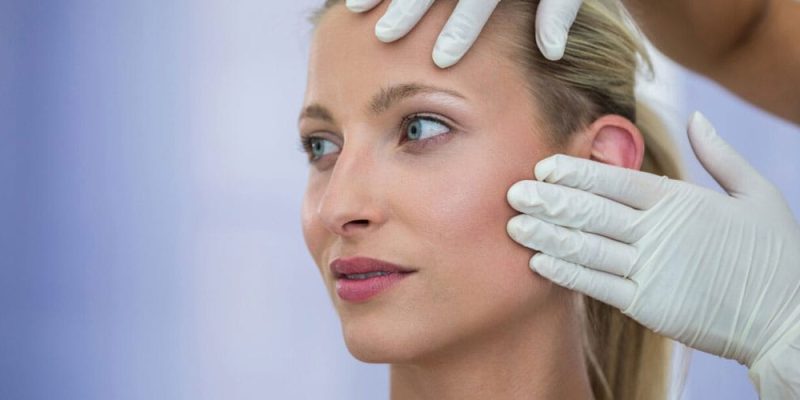
During a treatment session for Botox or Dysport, patients can expect a relatively quick and straightforward procedure. The area to be treated is usually marked, and a fine needle is used to inject the neuromodulator directly into the targeted muscles. Most patients experience minimal discomfort, often likened to a small pinch.
Following the treatment, there is typically no downtime, allowing patients to resume their daily activities almost immediately. However, some may experience minor swelling or bruising at the injection site, which usually resolves within a few hours to a couple of days.
Post-Treatment Care and Considerations
After receiving Botox or Dysport injections, proper post-treatment care is essential for achieving optimal results. Patients are advised to avoid strenuous exercise, excessive sun exposure, and certain skincare treatments for at least 24 hours following their session to minimize any potential side effects.
Additionally, it is crucial to follow up with your practitioner if any unusual symptoms arise, such as prolonged swelling or unexpected changes in facial movement. Regular follow-up appointments can help maintain desired results and address any concerns promptly.
Understanding Injectable Treatments: Botox and Dysport
Injectable treatments, specifically Botox and Dysport, are popular choices for those seeking to reduce the appearance of fine lines and wrinkles. Both products are neuromodulators that work by blocking nerve signals to the muscles, leading to a smoother appearance on the skin's surface.
While they serve the same primary purpose, Botox and Dysport differ in formulation and diffusion properties. Botox tends to stay localized at the injection site, making it ideal for precise treatments, whereas Dysport may spread more, potentially covering larger areas with fewer injection points.
Comparative Benefits of Botox and Dysport
When considering Botox and Dysport, clients often want to understand the unique benefits each option provides. Botox is the most well-known brand, with a long history of usage and extensive research backing its effectiveness. Patients often report satisfaction with the results and longevity of the treatment.
Dysport, on the other hand, may offer quicker results for some individuals, often seen within just a couple of days. Additionally, Dysport's formulation allows it to cover larger areas, which can be beneficial for treating broader facial regions like the forehead or frown lines.
What to Expect During a Treatment Session
During a treatment session for Botox or Dysport, patients can expect a relatively quick and straightforward procedure. The area to be treated is usually marked, and a fine needle is used to inject the neuromodulator directly into the targeted muscles. Most patients experience minimal discomfort, often likened to a small pinch.
Following the treatment, there is typically no downtime, allowing patients to resume their daily activities almost immediately. However, some may experience minor swelling or bruising at the injection site, which usually resolves within a few hours to a couple of days.
Post-Treatment Care and Considerations
After receiving Botox or Dysport injections, proper post-treatment care is essential for achieving optimal results. Patients are advised to avoid strenuous exercise, excessive sun exposure, and certain skincare treatments for at least 24 hours following their session to minimize any potential side effects.
Additionally, it is crucial to follow up with your practitioner if any unusual symptoms arise, such as prolonged swelling or unexpected changes in facial movement. Regular follow-up appointments can help maintain desired results and address any concerns promptly.